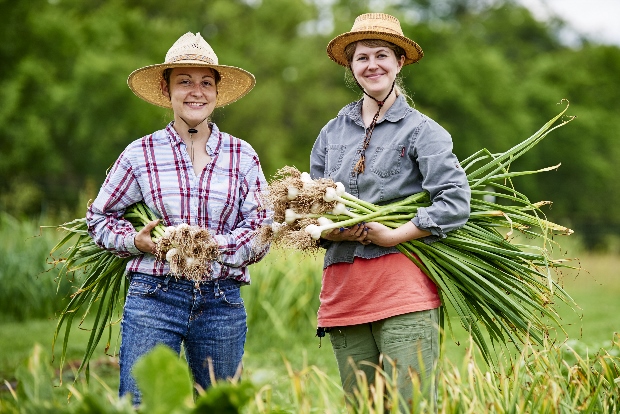

Everybody loves the local growing season — co-op customers, employees and farmers! Fostering and maintaining good working relationships with local growers can have a big impact on co-op success, as well as helping to create a vibrant local food system.
Knowing your store’s needs and those of your customers is an important first step to take in building relationships with farmer suppliers. It’s important to remember that the co-op is the customer, and that you are the buying agent for your owners and shoppers. Develop clear expectations before the first order is placed to ensure that both parties are able to agree on important things like deliveries, quality issues and credits — and on the consequences when and if expectations can’t be met. Be willing to coach farmers who are just beginning their careers on how to be good businesspeople.
Address food safety and certification requirements up front as well. If possible, visit farms/facilities to see what processes and practices the grower uses, and be sure to ask for evidence to back up any certification claims (e.g. GAP certification or umbrella insurance) for your files. If the farm is selling produce as organic, get a copy of a valid organic certificate before their first delivery and verify that any items you are purchasing are listed on the certificate.
In order to do local well, be realistic about how many relationships you can effectively maintain during one season. Honestly assess your departmental capacity and adjust your local buying accordingly. If you have a full-time dedicated buyer, it may be possible to manage 30+ local producers. But if your labor hours don’t support that kind of commitment, focus on cultivating fewer but deeper relationships with local farms. Buying more from growers than you can reasonably sell is not doing them any favors, either. If you merchandise product that has been stored in your cooler for four or five days, it will spoil faster, which reflects poorly on your store as well as the farmer that grew the food.
One of the cornerstones of a healthy and prosperous relationship is commitment. Talk with your local farmers about making a three- to five-year commitment and the benefits and risks it would have for both the farms and the co-op. Knowing they have your business for the long term, growers can more confidently make business investments that make operations more efficient — eventually reducing the cost of their products. Likewise, not having to make as many decisions each year about what produce will come from which farm saves you time and energy. Be sure to explore different scenarios, such as what happens in the event of a crop failure, or if a competitor opens a store nearby which affects your ability to hit the quantities you committed to.
Have the tough conversations about pricing. Local organic produce often commands a premium price and will likely fall in the “best” category of the “good, better, best” pricing strategy recommended by NCG. If the local farmer is able to provide competitive pricing that allows the co-op to come within 10% of organic vegetables from California, then there is no need to twin-line. If not, let your farmers know that even during peak season, they may see organic vegetables from California on your shelf at a cheaper price point in order to meet the needs of your community, appeal to more shoppers and be more inclusive. The “good, better, best” pricing strategy focuses on “telling the story” for your local farmer, so be sure to include signage that delivers the message about why the food has a higher value and thus commands a higher price.
After the high-volume local season winds down, use the space between September and Thanksgiving to recap what worked well during the local season and what did not. Ideally, keep a record for each local farmer, recording any issues, pricing, promotions and special successes. Use these documents at planning meetings with farmers during the off-season to improve your relationship (and sales) for the coming year. February is a great time to meet with farmers and discuss the new season, including any in-store demos you would like to host to feature their farm. It’s easier for farmers to commit to an in-person event during the growing season if you give them plenty of notice.
Most of all, take time to enjoy your relationships with these local growers. You are working together toward a more sustainable food system in your community!