
“Local” is intrinsic to co-ops. The cooperative business model is set up to invigorate the local economy, and it’s likely your co-op’s ends are tied to supporting your community. Buying from local farmers and producers does just that. Doing local well is also an important way to differentiate your store from the competition, especially as consumer demand for local products continues to soar. According to FMI’s 2019 Power of Produce report, 44% of all respondents indicated that they specifically look for locally grown produce and try to buy it whenever possible. And it’s safe to assume that local demand among co-op shoppers is even higher.
Yet, it’s challenging and time-intensive to source and carry local products. So where do you start? How do you even find these local vendors?
A valuable strategy for all co-ops is networking. Make connections with farmers through local ag extension offices, organic farming associations or universities, and visit farmers markets periodically. Bring a stack of business cards to the market and strike up conversations with growers and producers who aren’t already familiar to you. Look for new or different offerings from what you currently sell, specialty produce and meat, or grocery items such as honey, jam and barbecue sauce.
Direct producers that express interest in working with the co-op to your local vendor guide — a document that streamlines the intake process for new co-op suppliers. A comprehensive vendor guide should include information about:
- Product guidelines – List any preferences or requirements such as Certified Organic, free from artificial colors, or recyclable/compostable packaging, and define what “local” means at your co-op. Describe how products should be cleaned and packaged for retail sale.
- Ordering – Establish a schedule for farmers to send availability reports and for the co-op to place orders.
- Delivery – Include receiving days and hours, location of co-op loading dock or parking, box and container requirements (including labeling), and the right to reject damaged product.
- Pricing, payment terms and invoices – Determine pricing up front and list the items that must be included on an invoice (include a sample invoice for reference).
- Liability insurance requirements
Ideally, a vendor intake guide sets expectations and outlines basic procedures that will help you do business together.
Beyond that, don’t be afraid to ask vendors for certain things that will make their products more retail ready and customer friendly, ultimately leading to stronger sales. That could be bunching produce with a rubber band instead of delivering it loose in bulk, or using a different package, or adding a barcode or sticker. In light of the coronavirus pandemic, shopping trends are shifting to more pre-packaged and bagged fresh produce as shoppers try to reduce the time they spend in stores and minimize their handling of produce. Coach local producers about what works best in a retail setting — when you achieve better sales as a result, that’s a win-win for both co-op and grower.
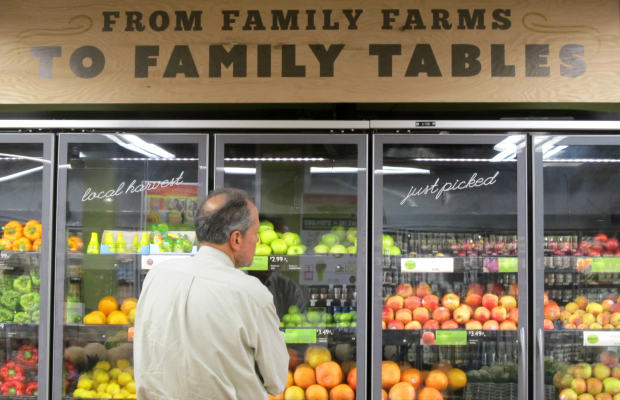
Once you’ve met the farmers, brought in their goods and merchandised them to sell…be sure to tell your customers they’re local! Other grocers can’t do local as well as co-ops do; it’s a simple way to differentiate your store from the competition, so use it to your advantage.
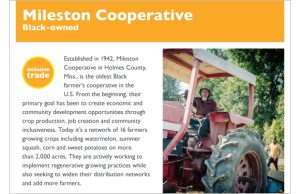
Why are these items special? Work with your marketing staff to tell a story that connects your customers to the farmers and producers in their community. Be sure to highlight local through your merchandising, signage, social media and newsletters. NCG offers customizable templates for product signs and producer profiles in our Marketing Materials Catalog to help you share the local story.
Finally, just as you shouldn’t take local for granted, don’t take your local suppliers for granted either. Co-ops that do “local” well know it’s all about the relationships. By our nature, co-ops want to align with as many local producers as possible. It’s important, however, to resist the urge to buy from everyone who walks through the door, and not overpromise to the vendors you work with. Give yourself permission to step back and decide whether a partnership truly makes sense.
Gaining trust takes time on both sides, co-op and vendor, so build those relationships slowly. For advice on how to foster and maintain good partnerships, read Cultivating Productive Relationships with Local Farmers. NCG’s Produce Playbooks, which include a guide specific to local produce, offer best practices and resources compiled from the expertise of successful co-op produce departments around the country.
NCG Produce Retail Specialist Tim Domini also contributed to this article.