Everyone loves free and everyone loves food. Sampling products is the best thing you can do to draw customers to you.
73% of consumers say they are more likely to buy a product after trying it. Sampling can be a powerful step in getting customers to try your food for the first time. It can introduce your product to new customers and introduce new varieties to existing customers, with no financial risk. Until a customer tries the food and has their own experience with it, they won’t know if they like the way it tastes, smells or makes them feel.
Sampling establishes goodwill. People who are given something for free are more likely to buy something, either now or on return visits. It can also be your first step in creating an emotional connection between the co-op and your target customer. That emotional connection is the core of developing loyalty to your co-op. Increased customer loyalty results directly in increased word-of-mouth marketing.
Establish a consistent department sampling schedule.
All day, every day is often not a realistic goal; identify which days and/or dayparts have the highest traffic for the most impactful results. Be consistent in execution so customers will know when to expect free tastes.
Plan ahead.
Plan for increased prior production when sampling composed salads or baked goods. Order extra cheese and/or cured meats when they are scheduled to be sampled.
Record.
Keep track of what and when you sample products. Document the amount used and any other important notes gathered on that day. This will help you measure success through increased sales and also help determine tha quantities needed when the product is sampled next.
Ensure food safety.
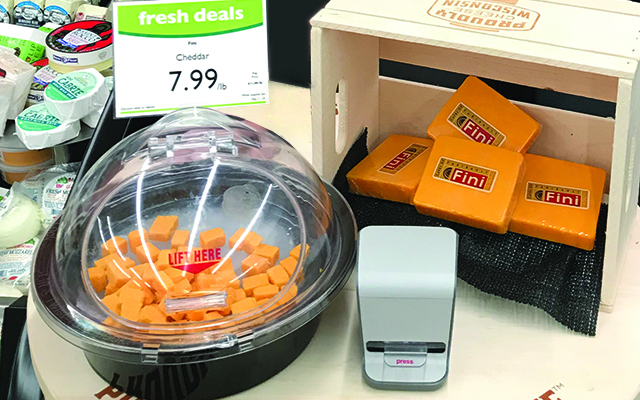
Sample all foods under a domed lid or behind a sneeze guard. If refrigerated, ensure product is held on an insulated plate. No samples should be out for longer than four hours.
Create some flash.
Ensure easy-to-read signage is available to explain to the customer what is being sampled. Sometimes the actual product may be used within the sampling tray to show the product name and specifications. Include allergen information when applicable. Designate someone to maintain the display throughout the sampling period. Make sure there is a waste basket nearby to discard used cups, toothpicks, forks, etc.
Talk it up!
Passive sampling does not require an employee to be present at all times, but your employees should be aware of what product is being featured so they can encourage customers to try a sample and answer any questions that may arise.
Fresh Department Sampling Program – It’s Not Just for Produce Anymore!