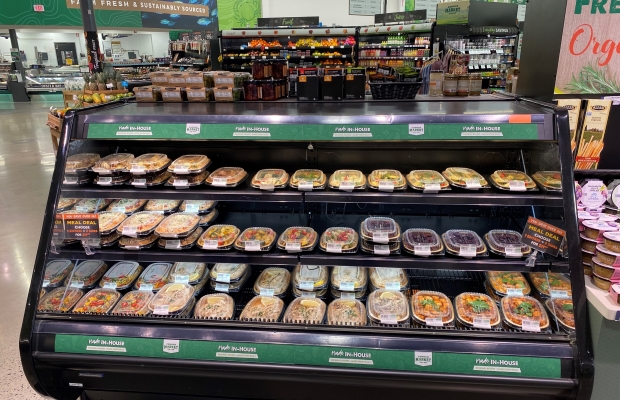

Inflation has hit prepared foods hard, and the erosion of margin is increasingly concerning. In 2019, cost of goods was stable and the prepared foods department, on average, achieved a 65% margin. Now margins average around 54% due to rapidly increasing costs on ingredients. Higher ingredient costs are leading to an increase in the prices on everything from sandwiches and salads to bakery and cheese.
Retail price increases can be challenging due to customer sensitivity, internal processes and staffing deficiencies. However, prices are likely to increase for the remainder of the year, driven by higher wages and continued increases in the cost of ingredients. We are at a point where there is no option other than to raise prices. This does not mean simply raising prices across the board, though. It is important to put food price increases in context and create a strategy that limits negative reactions.
Review and Analyze the Menu
Before making menu changes, conduct an audit. Take notes on important factors such as sales, costs, resources allocated to individual recipes, and customer sentiment about each product and evaluate this against profit margins. From here you can adjust accordingly.
- Look at sales. Go through each item on the menu. What dishes sold the most? What are the most popular menu items? Which are not doing well?
- Review costs. What are the costs for ingredients, how much prep time is involved, and how much goes to waste afterwards? It’s important to have a system to monitor these factors.
- Think over how to prepare each menu item. What are the resources and how much time does it take dishes to be made?
- Sort menu items. Order or list items based on popularity or how much was sold in the past year. Ideally, the more popular items should have the highest profits and be popular with the core customer base.
- Make adjustments. Remove dishes that aren’t popular and have low profit margins. Use marketing tactics to push less popular, high-profit items. Look for ways to better promote these items in your set.
Consider Alternative Items or Tweak Current Dishes
There has been a significant increase in the price of chicken this past year, especially cut-up legs and breasts. For this reason, some food service operators buy whole chickens instead. They cook these and use shredded chicken pulled from the carcass in place of whole chicken breasts and thighs. When labor allows, operators may even cut the whole chickens into pieces themselves.
Consider slightly tweaking other menu items that have gotten too costly. To prevent problems in the future, replace items susceptible to inflation with steadier, more secure options. For example, frozen seafood and produce are less prone to inflation because they are not tied to a contract. Use sliced or slivered almonds rather than whole in recipes, and shredded cheese rather than cubed.
Control Food Cost
Find ways to cut back on the amount of ingredients in ways that aren’t noticeable. For example, slice tomatoes or sausage thinner or make sure recipe measurements are consistent. A key component to controlling food cost is training cooks to weigh or measure the food used in production.
Raise Menu Prices
Many food service operators are afraid to increase prices for fear of turning away customers. This can make the difference in running a profitable prepared foods department, so do not ignore this option. If you decide to raise prices, calculate exactly how much of an increase is necessary to achieve a minimum profit margin. Every deli is different, and one profit margin does not apply to every business. It’s best to be transparent and not try to hide the change. Customers, for the most part, understand and appreciate honesty, and they understand we are in an inflationary period.
Finally, consumers’ buying power has fallen over the course of the past year, emphasizing the need to seek remedies for the current inflationary pressures. Although finding the balance between serving customers high-quality food while keeping costs down is challenging, it’s important to put food price increases in context. There are several tactics to consider. By drawing on some of these suggestions, you can find inventive ways to keep dishing out great food that customers will love even when costs increase.