
By now it’s a cliché to say that our culture is permanently changed because of the ongoing pandemic. However, there are two major shifts occurring that directly affect how people shop, and we can’t ignore them. Health and wellness remain top of mind and people feel empowered to put themselves first. That’s why we’re seeing workers switch jobs and fitness enthusiasts leave the gym and go for walks. Today, shoppers are bringing this mentality with them and deciding what choices are right for their body, their mind and the planet.
This mindset influences four trends that will continue to grow as we head into 2022.
Zero-alcohol Beverages Are an Untapped Market
The alcohol-free shopper has long been overlooked, but this untapped market is growing and inspiring brands to get innovative with their offerings. SPINS data finds that the non-alcohol beverage department is up 18% year-over-year. It’s dominated by staples like sparkling water, but the inventory is diversifying. The growing options of 0% ABV tequila, rum, whiskey and prosecco from new and established brands give shoppers a chance to partake in the social aspect of a having a cocktail while staying alcohol free.
Sports Nutrition Isn’t Just for Athletes
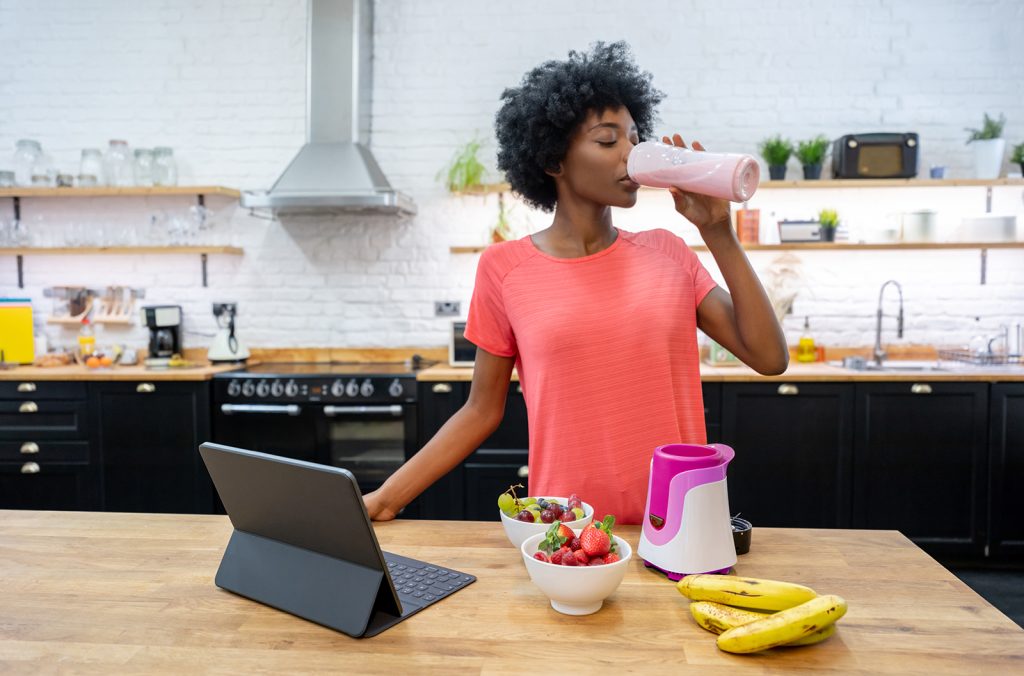
Years ago, protein powders were unappetizing supplements for top athletes. Today, protein powders come from many sources in endless flavors. Protein is just one of many supplements that have become a dietary staple for average shoppers who care about nutrition. Over the last two years, pre- and post-workout supplements have experienced 39% YoY growth and protein powder has 37% YoY growth. Brands are bringing performance nutrition into existing products, such as energy drinks with caffeine that provide an energy boost, aminos that promote mental clarity, and even coffee with added protein.
Transparency Matters to Shoppers
As shoppers become empowered to define wellness, they are looking for more information about the products they’re buying. Which ingredients fit their diet? Does the brand have a mission that aligns with their own values? That’s why certifications, label claims, attributes and in-store education are more important than ever. Shoppers want access to information so they can make the right decision for their own health and values. Over the last two years, we’ve seen sales growth across businesses owned by marginalized groups and mission-centric businesses. For example, woman-owned and/or certified businesses grew 72%, and minority-owned and/or certified businesses grew 71%.
Sustainability Spans Departments
Label claims extend beyond standard ingredients and nutritional information as shoppers factor in their own impact on climate change. As new items enter the market, we’ve seen more brands emphasize their collaboration with local farms, which typically produces less pollution to get from farm to table. Similarly, label claims often promote how sustainable the packaging itself is by using recycled or compostable materials. Sustainability and these other trends can easily overlap. For example, a shopper interested in plant-based options might avoid animal products to reduce the carbon footprint from raising livestock. Another shopper might prioritize brands that keep their sustainable operations local and provide job opportunities to nearby communities of color.
In 2022, expect shoppers to bring the spectrum of their priorities to the shopping aisle. They will decide what is good for their health and wellness and what those terms mean for them. It’s an exciting time to be in our industry and a great opportunity to connect with shoppers on these trends and help them on their journey.