
If you’ve ever embarked on a really big project, you know that finding a place to start is usually the hardest part. For co-ops that are just beginning to engage with the world of sustainability, the question of where to begin may feel intimidating.
One easy way to find inspiration is by reading stories of those who have successfully taken on similar challenges. To help spark your co-op’s engagement, NCG offers sustainability case studies: short fact sheets that discuss projects that have saved your fellow co-ops energy, money and other resources. The first three case studies shine the spotlight on projects at Hunger Mountain Coop, New Pioneer Food Co-op and North Coast Co-op.
The case studies might not only help you choose a specific project for your store, they also expose the behind-the-scenes details that are often involved with these types of operational improvements. This detailed level of knowledge can help your management team, sustainability staff or green team understand what type of process, budget and results are typical and plan accordingly for the resources needed (and anticipated return!) for a similar project.
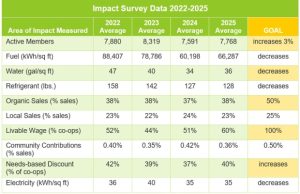
The case studies are one of several ways that the Co+efficient sustainability program fosters knowledge-sharing between co-ops. Other opportunities to learn from each other’s expertise include Co+efficient webinars and accessing the comparison dashboards that share and compare sustainability metrics from all Co+efficient participants.
Tips for telling your story
Sharing your experiences with other co-ops is valuable, but it’s only the beginning. Don’t just quietly change things for the better – brag about it! Telling your community about your efforts to be more sustainable isn’t just good for your brand, it tells people about what is possible for a community-owned, engaged business to accomplish!
- Have a plan – who will hear what, when?
- Be consistent with your message, both inside and outside the co-op
- Be a storyteller – try to capture the imagination of your readers
- Communicate continuously throughout projects. Instead of just one story, write multiple stories about progress milestones as they are achieved
- Use repetition – hearing something once isn’t usually enough to make an impact
- Be transparent – share successes and challenges
- Meet people where they are – fill in the backstory if your customers might not understand all the reasons behind changes
Do you have a sustainability story you think would be a good fit for a future case study? Contact Allie Mentzer.