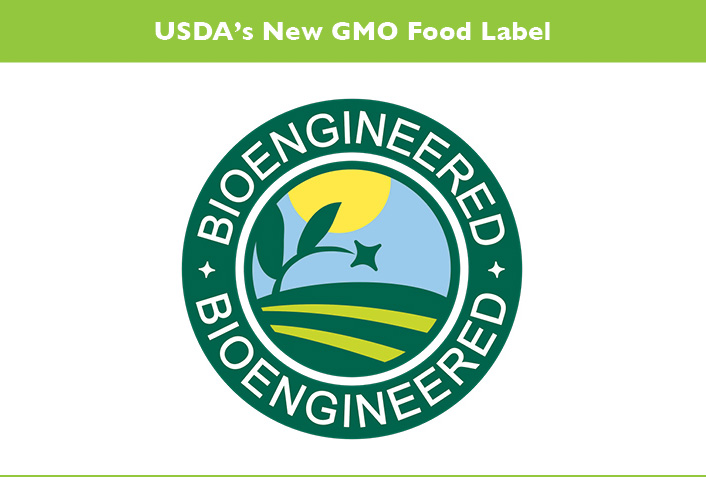

While 2020 has brought grocers an incredible number of changes to implement already, we want to provide an update on recent activities related to BE labeling and remind you that federal BE labeling requirements are still scheduled to go into effect on Jan. 1, 2022. If you’re new to this topic or in need of a refresher, you can read up on the law and take a look at our FAQ on the National Bioengineered Foods Disclosure Standard (NBFDS).
NCG joins advocacy partners in calling for better BE labels
Many NCG co-ops have been longtime, vocal advocates for transparent labeling, and NCG continues to advocate within our industry for consumer-friendly implementation of the law. This past summer (2020), NCG member co-op, PCC Community Markets in Seattle, signed onto a lawsuit against USDA filed by the Center for Food Safety and others, which claims that the agency “fell short of fulfilling the promise of meaningful labeling of GE foods.” And “the result is the direct or de facto concealment of these foods and avoidance of their labeling.” This fall, National Organic Coalition, in which NCG and PCC both participate, signed onto this lawsuit as well. We hope this lawsuit will be decided in our favor, making the regulations more consumer-friendly, transparent and easier to implement.
Resources to help co-ops implement the regulations
Outcome of the lawsuit notwithstanding, NCG co-ops must be compliant with the federal law as of January 1, 2022. All co-ops will have some work to do to comply, even if you choose not to sell bioengineered (BE) foods. In addition to labeling certain BE foods that your co-op produces, repackages or displays in bulk, the law requires retailers to maintain records demonstrating the BE or non-BE status of foods that are included on USDA’s national list of commercially available bioengineered foods.
USDA recommends that retailers begin implementation as soon as possible to ensure that systems are in place and all products for sale at your store are compliant by the deadline. It’s likely that your customers are already beginning to see the new labeling language elsewhere in the marketplace, so if you haven’t already, we encourage you to make a plan to begin the implementation process early in 2021.
Primary resources to guide your co-op in complying with NBFDS are available on USDA’s website. FMI has also produced a useful NBFDS compliance guide for retailers, which your co-op can access with your complimentary FMI membership. These resources will be able to help you ensure that your co-op meets the minimum requirements of the law. Once you have started labeling things, you can share or repurpose this article to help your customers understand the new labels online, in your newsletter and/or website.*
We will keep you informed as to the outcome of the lawsuit and whether regulations will be modified to improve transparency. If we’re not successful, NCG plans to provide extra guidance for co-ops who want to voluntarily go beyond what is required to provide labeling that maximizes transparency for your customers within the boundaries of what is allowable by law.
*Contact Liz McMann if you’d like to repurpose an article from our consumer website and she’ll assist you with proper attribution.