
We’ve just passed the midpoint point of 2021, and the natural industry — just like every other industry — has one foot in the past and the other in the future. Some “before times” habits (like dining out and seeing friends) have returned, and others (like five-day onsite work weeks) are slow to return. To get a sense of what the state of the natural industry looks like today so you can think about what it will look like tomorrow, we examined cross-channel data from IRI with SPINS Product Attribution. Here are some trends we saw.
The Pandemic Gave eCommerce a Push
We all know that online shopping is not new, but it has been slower to catch on in the grocery market than it has in other forms of retail. The pandemic’s sudden arrival forced shoppers and retailers to adapt quickly. Suddenly, shoppers wanted to spend as little time as possible indoors with strangers. Some consolidated shopping trips by stocking up and shopping less frequently or going to a single store for all their needs; others relied on any alternative that kept them out of the store. Retailers stepped up and offered a variety of options: eComm sites, app ordering, curbside pick-up and home delivery.
- Internet shopping took 4.5% of wallet share in April 2020, when the pandemic was in its early days, and by winter of this year it had reached 5.0%. By April 2021, a full year after the pandemic’s start and as vaccinated shoppers were resuming daily activities, the share had grown to 5.4%.
Wellness Attributes Retain Their Popularity
By looking at the nutrition panel, ingredients list, allergen information and label claims, SPINS can monitor product performance in a way that reflects how shoppers think. Over the last year, we’ve seen shoppers choose wellness-focused products even as life takes steps toward normalcy.
- Plant-based positioned products have seen a 21.4% dollar growth and 13.4% growth exclusively in NCG.
- Products with animal welfare labels grew 16.9% in the channel and 14.0% in NCG.
- Paleo-positioned products grew 32.0% in the combined channel and 10.7% in NCG.
The growing strength of these wellness products suggest broader dietary and lifestyle changes are now permanent fixtures for shoppers and let them achieve their nutrition goals.
Shoppers Choose At-home Meals
Lockdown was a catalyst for shoppers to eat more meals at home than in restaurants or on the go. During that time, convenient, nutritious and interesting meals became big draws. Although shoppers had more time to cook at home, they were also balancing a lot during lockdown, and convenience remained key, as evidenced by the success of:
- Refrigerated entrees +12%
- Shelf-stable entrees and mixes +9%
- Frozen entrees +7%
- Refrigerated sushi +23%
- Refrigerated burritos and tamales
Bring Convenience to Customers
Although it’s a cliché, it’s true: We’re not entirely going back to normal. Some parts of our daily routine will revert to their pre-COVID ways, but other aspects have permanently shifted. For example, some office workers will never return to in-person workplaces, and many others will go in a limited number of days per week. That creates a hybrid dining experience wherein the popularity of at-home meals continues but the need for grab-and-go snacks and packed lunches also returns.
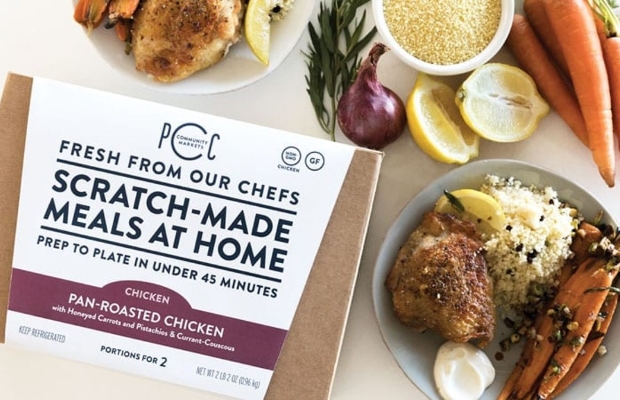
As you enter the remainder of 2021, strike a balance between pre- and post-lockdown life. Convenience is key when it comes to the shopping experience, whether that means offering home meal kits that shoppers can grab for dinner or online ordering options. Leverage product attributes on your eCommerce site, in shelf tags and through promotions so you’re putting sought-after items in front of shoppers and saving them extra work. No matter how the natural market evolves in the future, create an experience now that shows customers you’re putting their time and priorities first.