
Co-ops have been supporting local farmers, food systems and neighbors for so long, it seems we sometimes forget how important it is to always tell the local story to shoppers and owners. In 2024, 24% of sales at food co-ops were local products and the average food co-op worked with 175 local producers — that’s impressive!
Many other retailers are vigorously staking their claims on “local food” in their primary brand messaging and promotions. In addition, mid-level consumers are highly motivated to look for a grocer that offers great choices in local products. Now is not the time for co-ops to assume that everyone knows they are the best at doing local!
Here are just six of the many ways your co-op can bring your love for local to the forefront.
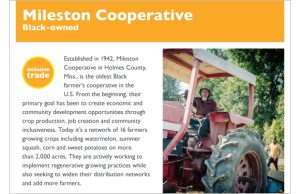
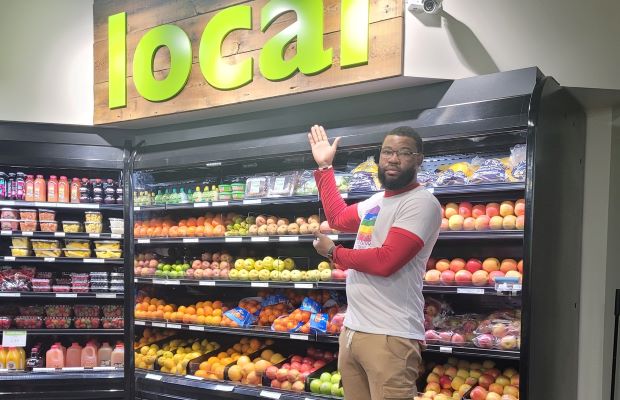
• At the shelf. Local products should be well represented in your store and featured in price promotions where possible — as long as you’re not devaluing local products by drastic margin cuts. Local call-outs on shelf channel tags, cooler clings and profiles of local brands (see the local producer profile templates in NCG’s Marketing Materials Catalog) are very effective, especially when combined with the round “violator” double-sided local signs that stand out perpendicular to the shelves
• Word of mouth. Provide key facts and talking points for staff on how many local producers your co-op supports and the value of shoppers choosing to spend their money on local products. Staff should be empowered to express their own love for local, but without an overlay of judgement or negativity about the other products your shoppers are free to choose.
• Local realness. Invest in images of real local farmers and producers, and use them frequently. Some often overlooked vehicles to shout the “local” message include owner recruitment materials, event signage and banners, and Instagram.
• Love at first taste. Make local foods and farms a prominent focal point of samples, classes and other in-store events! People love to meet the folks who grew, baked or wildcrafted their food. When possible, integrate local ingredients into seasonal deli menus, such as locally produced bacon in a BLT sandwich.
• Repeat, reiterate, reuse. Feature local products and producers in your newsletter, blog and social media, and reinforce these stories with large-scale local producer and grower images on the walls of your co-op. Reuse those same images on smaller local profile signs at the shelf.
• Reflect local dollars spent on receipts. Consider including messages on your store receipt, letting people know what percentage of their purchases supported local farmers and suppliers. Include a report on local sales/dollars spent in your annual report or impact report as well. For guidance on how to start tracking local product sales, check out these point-of-sale preferred practices.
Don’t be shy about laying claim to the position co-ops have as pioneers in the local food movement — you walk the walk already, so why not tell people about it?